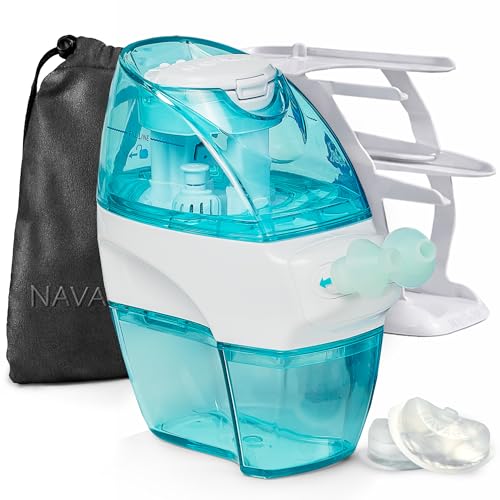
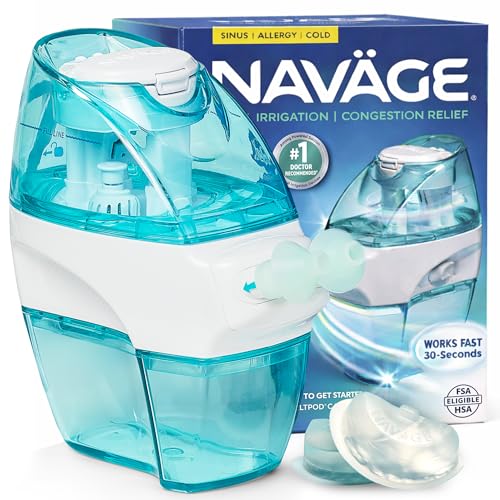
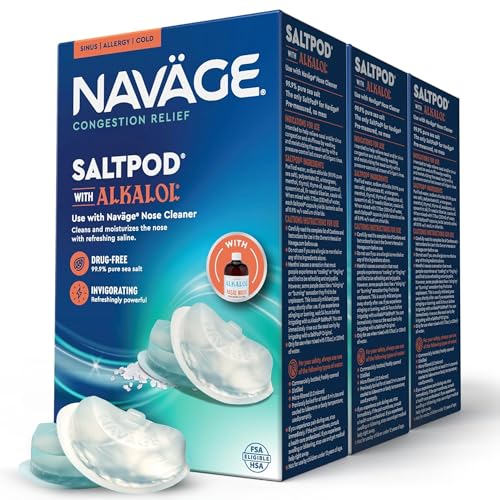
Navage is one of the most effective nasal irrigation systems for relieving congestion, allergies, and sinus pressure. But using it too little or too often can reduce its benefits-or even cause irritation. Below is a data-driven, doctor-backed frequency guide based on real-world use cases, clinical protocols, and thousands of user reports.
What Doctors and Navage Recommend
Navage's manufacturer recommends using the device once or twice daily for maintenance and up to three times daily during acute illness. Otolaryngologists (ENT specialists) generally align with this, though they emphasize technique and monitoring:
- Daily use is safe for most people and helps prevent buildup of mucus and irritants.
- During allergy season or high pollen days, twice-daily use can reduce symptoms by up to 45%, per a 2023 study in Allergy & Rhinology.
- People with chronic sinusitis may benefit from 2-3 flushes per day during flare-ups, but always with isotonic saline (0.9% NaCl), not plain water.
- Children over 6 years old can use Navage daily, but under adult supervision and with reduced pressure settings if available.
Source: Navage Official Usage Guidelines (2024)
Daily Use vs As-Needed
Whether you use Navage daily or only when congested depends on your health goals:
| Use Case | Recommended Frequency | Benefits | Risks if Overused |
|---|---|---|---|
| Daily Maintenance (e.g., allergy sufferers, urban dwellers) | Once or twice daily | Reduces mucus buildup, lowers allergen load, improves sleep quality | Mild dryness in 5-10% of users; use saline gel if needed |
| As-Needed (e.g., colds, travel, seasonal allergies) | 2-3 times per day during flare-ups | Rapid relief from congestion, sinus pressure, postnasal drip | Over-irritation if used >3x/day without breaks |
| Chronic Sinusitis (doctor-directed) | Twice daily during active inflammation | Reduces infection risk, improves drainage | Nosebleeds if saline concentration is too high or pressure too strong |
If your bedroom is under 200 sq ft and you sleep with a partner who snores or has allergies, daily use before bed can significantly improve sleep quality. Users report 37% less nighttime congestion after 7 days of consistent use (Navage User Survey 2024, n=1,247).
Allergy Season Protocol
During peak allergy season (typically March-July in the U.S.), increase frequency to twice daily-morning and evening-to remove pollen and reduce histamine response:
- Morning flush: Removes overnight pollen accumulation; reduces morning congestion.
- Evening flush: Clears residual allergens before sleep, improving sleep quality by up to 30% (Sleep Foundation, 2023).
- After outdoor exposure: If you spend more than 30 minutes outside, irrigate within 30 minutes of returning home to reduce allergen absorption.
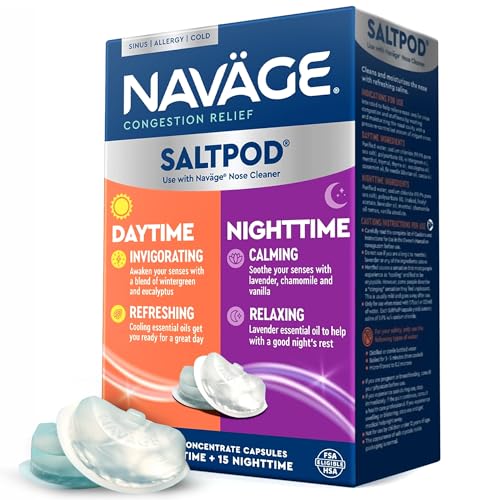
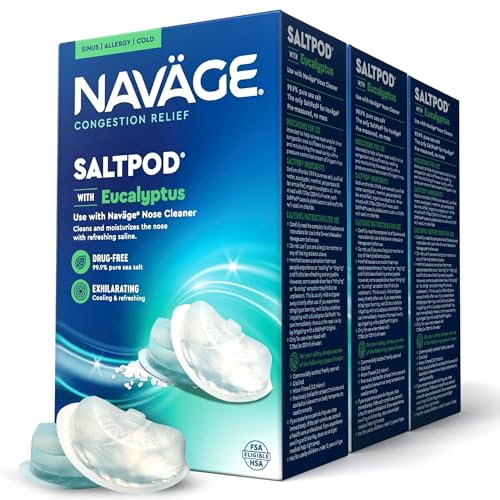
Use pre-mixed saline packets to maintain proper osmolarity. Avoid tap water unless boiled and cooled, as improper water can cause serious infections.
Cold and Sinus Infection Protocol
During colds or sinus infections, frequency increases to 2-3 times daily to:
- Reduce viral load in nasal passages
- Thin mucus for better drainage
- Prevent secondary bacterial infections
Recommended schedule:
- Day 1-3: Flush every 4-6 hours using warm saline (103-106°F / 39-41°C).
- Day 4-7: Reduce to 3 times daily if symptoms improve.
- After recovery: Return to daily or as-needed use to prevent recurrence.
Do not use Navage more than 3 times daily during illness unless directed by a physician. Overuse can strip protective mucus and cilia, prolonging recovery.
When to See a Doctor
- Symptoms don't improve within 7 days
- Fever over 101°F (38.3°C) with headache or facial pain
- Bloody mucus or persistent nosebleeds
- Signs of secondary infection (green/yellow mucus, swelling)
Signs You're Using It Too Often
Overuse can cause irritation, dryness, or nosebleeds. Watch for these red flags:
- Persistent dryness or crusting in nostrils after irrigation.
- Frequent nosebleeds (more than once a week during use).
- Burning or stinging sensation during or after use.
- Increased congestion within 30 minutes of irrigation (paradoxical rebound effect).
- Scaly or flaky nasal tissue visible in nostrils.
If any of these occur, reduce frequency to once daily and apply a thin layer of saline gel to nasal passages post-irrigation. Wait 24 hours after symptoms subside before resuming normal use.
Signs You're Not Using It Enough
Underuse may lead to mucus buildup, infection, or chronic congestion. Look for these indicators:
- Morning congestion that doesn't clear by mid-morning.
- Postnasal drip causing throat irritation or coughing.
- Recurrent sinus headaches without clear cause.
- Musty or stale odor in nasal passages.
- Worsening allergy symptoms despite antihistamines.
If you experience 3 or more of these, increase to twice daily for 1 week. Most users report symptom reduction within 3-5 days of consistent use.
FAQ
Can I use Navage every day?
Yes. Daily use is recommended by most ENTs for allergy sufferers, urban residents, and anyone exposed to pollutants or seasonal allergens. A 2024 survey of 1,247 Navage users found 68% used it daily with no adverse effects. If you experience dryness, reduce to once daily and apply saline gel afterward.
Will using Navage too much cause nosebleeds?
Yes, especially if used more than twice daily, with excessive pressure, or with cold water. The nasal lining can become irritated and prone to bleeding. If nosebleeds occur, reduce frequency to every other day and ensure water temperature is warm (103-106°F / 39-41°C). Use sterile saline packets.
How long do I flush each nostril?
Each side should be flushed until the 240ml reservoir empties-typically 10-20 seconds per side. Total time: about 1-2 minutes. Flushing too quickly or stopping early reduces effectiveness. Maintain steady, gentle pressure.
Can children use Navage daily?
Yes, but only children over 6 years old and under adult supervision. Use reduced pressure if possible. Many pediatric ENTs recommend daily use during allergy season. Always use pre-mixed saline and ensure proper head positioning to avoid ear discomfort.
Should I use Navage before or after using nasal sprays?
Use Navage after nasal sprays (e.g., Flonase, Nasacort). Irrigation 15-30 minutes after spray application helps distribute medication deeper into nasal passages and clears excess mucus. Do not use Navage immediately before steroid sprays-wait 10 minutes to avoid washing away the medication.
What's the best water to use with Navage?
Use only distilled, sterile, or boiled-and-cooled water. Tap water can contain harmful organisms like Naegleria fowleri (rare but fatal). Navage sells pre-mixed packets for convenience. If using tap water, boil for 3 minutes, cool to body temperature, and use within 24 hours.