HomeNasal Irrigator Buying Guide

Nasal irrigation can significantly reduce sinus pressure, allergies, and post-nasal drip when done correctly. But with four major types of nasal irrigators-powered pump systems, gravity-based Neti Pots, squeeze bottles, and advanced devices like Navage-choosing the right one for your needs can feel overwhelming. This guide compares the key differences to help you select the best nasal irrigator for your household size, cleaning needs, and budget.

Types of Nasal Irrigators Explained

Nasal irrigators fall into four main categories, each with distinct advantages depending on your situation:

  • Powered Pump Systems (e.g., Navage) - Use motorized suction to pull saline through nasal passages and into a collection basin.
  • Gravity-Based Systems (e.g., Neti Pot) - Rely on gravity to flow saline from one nostril to the other.
  • Squeeze Bottles (e.g., NeilMed Sinus Rinse) - Use hand pressure to push saline through nasal passages.
  • Portable Sprays (e.g., NasalFresh MD) - Deliver a fine mist, not true irrigation, best for mild congestion.

True irrigation (not just misting) is essential for deep cleaning because it physically flushes out mucus, allergens, and irritants. Spray bottles, while convenient, only deliver surface-level moisture and are not considered true nasal irrigation devices.

Powered vs Gravity vs Squeeze Bottle

Each irrigation method has trade-offs between effectiveness, convenience, and cost. Here's a detailed comparison:

Moderate - pressure can be inconsistent
Powered (Navage) Gravity (Neti Pot) Squeeze Bottle (NeilMed)
Effectiveness Very high - suction removes mucus and debris efficiently High - but requires proper technique to avoid residual fluid Moderate - pressure can push fluid into sinuses but less controlled
Ease of Use Easy - one-handed operation, no tilting required Moderate - requires correct head tilt and steady pour Moderate - requires consistent squeezing pressure
Cleaning Depth Best - removes mucus and debris with suction Good - but may leave residual fluid
Splash Risk None - enclosed system High - open system can spill Moderate - depends on squeeze technique
Maintenance Low - replace filter every 2-3 months Moderate - clean after each use, replace pot periodically Low - rinse bottle after each use

Real-World Use Scenarios

If your bedroom is under 200 sq ft and you sleep with a partner who snores: A powered system like Navage is ideal because it's quiet, efficient, and works quickly-perfect for nightly use without disturbing others.

If you travel frequently and want a compact, no-mess option: A squeeze bottle like NeilMed Sinus Rinse fits in a toiletry bag and doesn't require electricity, making it great for hotel rooms.

If you have chronic sinusitis and need deep cleaning: Gravity systems like Neti Pots are clinically proven, but only if you master the technique. Consider a powered system if you struggle with proper head positioning.

Key Features to Compare

Beyond type, these features directly impact performance and user experience:

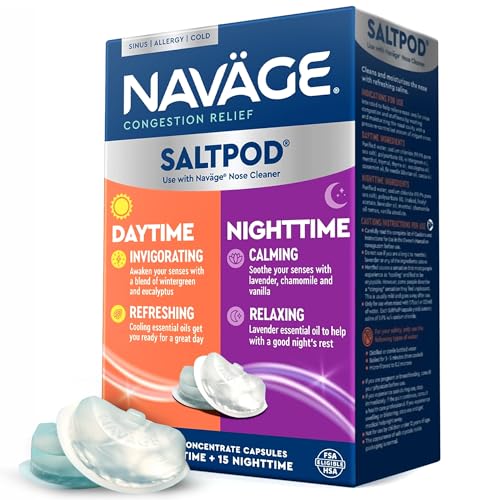
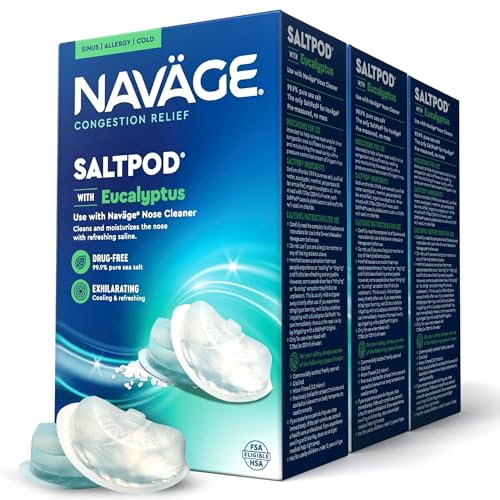
  • Saline Solution Compatibility: Some devices require proprietary saline packets (e.g., NeilMed), while others accept homemade saline. Navage uses pre-filled saline pods that dissolve in water.
  • Flow Rate: Measured in milliliters per minute (ml/min). Higher flow rates clean faster but may be uncomfortable. Navage operates at ~120 ml/min; Neti Pots average 50-80 ml/min; squeeze bottles vary widely.
  • Noise Level: Powered systems have dB ratings. Navage operates at ~45 dBA-comparable to a quiet refrigerator. Gravity and squeeze systems are silent.
  • Cleaning Coverage: Do you need to clean just nasal passages or also sinuses? Navage is designed to reach deeper into sinus cavities due to its suction mechanism.

Safety Considerations

Regardless of device type, always:

  • Use distilled, sterile, or previously boiled water to avoid Naegleria fowleri risk.
  • Clean your device after each use with warm water and mild soap.
  • Avoid using tap water in devices that don't filter it.

Navage vs Neti Pot vs NeilMed vs NasalFresh MD

Here's a head-to-head comparison of the most popular models in each category:

Navage Nav-N-Go Neti Pot Classic NeilMed Sinus Rinse NasalFresh MD
Type Powered suction Gravity Squeeze bottle Fine mist spray
Price (MSRP) $129.99 $14.99 $12.99 $9.99
Replacement Parts Cost (Yearly) $40-60 (filters & saline) $10-20 (pot & saline) $15-30 (bottle & saline) $20-40 (refill bottles)
Best For Chronic sinusitis, nightly use, deep cleaning Occasional use, budget buyers, mild congestion Frequent users, allergy sufferers, travel Mild congestion, quick relief, kids
Noise Level 45 dBA Silent Silent Silent
Cleaning Depth Deep sinus & nasal passages Nasal passages only Moderate sinus penetration Surface-level only
Warranty 2 years Not applicable Lifetime 1 year

Detailed Model Breakdown

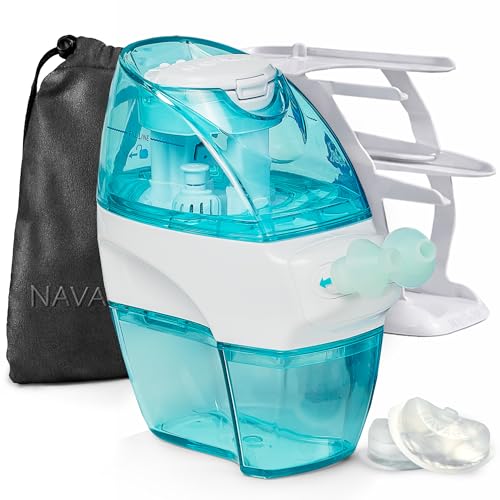
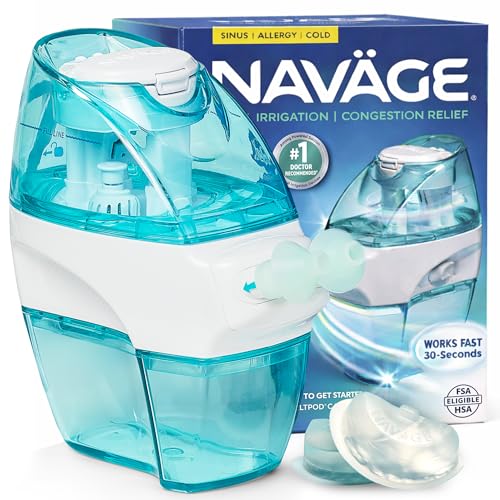
Navage Nav-N-Go

  • Pros: Deep cleaning with suction, quiet operation, one-handed use, includes saline pods, FDA-cleared.
  • Cons: High upfront cost, requires electricity, louder than gravity systems.
  • Best for: People with chronic sinusitis, post-nasal drip, or who need daily irrigation. Ideal for households with multiple users.

Neti Pot Classic

  • Pros: Low cost, no electricity, widely available, backed by clinical studies.
  • Cons: Requires correct technique, can be messy, risk of residual fluid in sinuses if used improperly.
  • Best for: Occasional users, travelers (compact versions available), those comfortable with irrigation technique.

NeilMed Sinus Rinse

  • Pros: Affordable starter kit, proprietary saline packets prevent contamination, clinical studies support efficacy.
  • Cons: Squeeze bottles can be inconsistent, requires manual pressure, not as deep-cleaning as Navage.
  • Best for: Allergy sufferers, frequent users who want a balance of cost and effectiveness.

NasalFresh MD

  • Pros: Ultra-portable, instant relief, good for kids or travel, no setup required.
  • Cons: Not true irrigation (just mist), short-lived relief, frequent refills needed.
  • Best for: Mild congestion, quick relief, children, or as a supplement to other irrigation methods.

Who Should Choose Which

Use this quick decision guide based on your primary need:

Choose Navage if:

  • You have chronic sinusitis or frequent sinus infections
  • You sleep with a partner and need quiet operation
  • You want deep cleaning without manual effort
  • You have a larger household (2+ people using it regularly)

Choose a Neti Pot if:

  • You're on a tight budget
  • You travel frequently
  • You only need occasional irrigation
  • You're comfortable with the pouring technique

Choose NeilMed Sinus Rinse if:

  • You have allergies and need frequent use
  • You want a balance between cost and effectiveness
  • You prefer pre-portioned saline for convenience
  • You have kids (age 6+) who need irrigation

Choose NasalFresh MD if:

  • You need instant relief from mild congestion
  • You travel often and want something pocket-sized
  • You have young children who can't use other methods
  • You want a low-commitment trial before investing in a full system

Cost of Ownership

Over three years, the total cost of ownership varies significantly between systems:

Navage Neti Pot NeilMed NasalFresh MD
Initial Purchase $129.99 $14.99 $12.99 $9.99
Year 1 Saline Cost $48 $12 $24 $36
Year 2 Saline Cost $48 $12 $24 $36
Year 3 Saline Cost $48 $12 $24 $36
Replacement Parts (Years 2-3) $40 $0 $10 $0
Total 3-Year Cost $314 $51 $95 $118

For households with 2+ regular users, Navage becomes more cost-effective over time due to shared device cost. For single users or occasional use, Neti Pot offers the lowest long-term cost.

Frequently Asked Questions

How often should I use a nasal irrigator?

For chronic sinusitis or allergies, daily use is often recommended by ENTs. For maintenance, 3-4 times per week is sufficient. Always follow your doctor's advice based on your condition.

Can I use tap water with my irrigator?

Never use tap water unless your device specifically filters it (like some Navage models). Tap water can contain Naegleria fowleri, a rare but deadly amoeba. Always use distilled, sterile, or previously boiled water that's cooled to lukewarm temperature.

Is nasal irrigation safe during pregnancy?

Yes, nasal irrigation is generally considered safe during pregnancy when using sterile water. However, consult your OB-GYN before starting any new medical device, especially if you have pregnancy-related nasal congestion.

Why does my Navage leave residue in my sinuses?

Residue typically indicates either incorrect head position (chin too high) or insufficient suction. Ensure your chin is parallel to the floor and the tip is properly seated. Try reducing the saline concentration slightly or using warmer water.

Can children use nasal irrigators?

Children over 6 can typically use squeeze bottles or Neti Pots with adult supervision. Powered systems like Navage are generally recommended for ages 12+. Always consult a pediatrician before starting nasal irrigation for kids.

Our Top Pick: Navage Starter Bundle

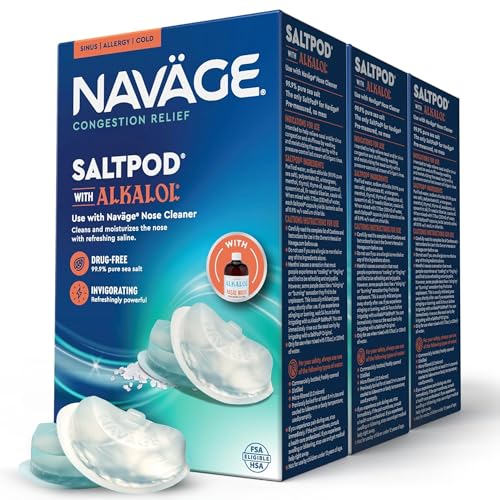
For most allergy and sinus sufferers, the Navage Starter Bundle is the best balance of ease, effectiveness, and cost. It comes with enough SaltPods to know if powered nasal irrigation is right for you.

See Reviews on Amazon →

Also explore: All Navage models · Navage vs Neti Pot · Navage vs NeilMed