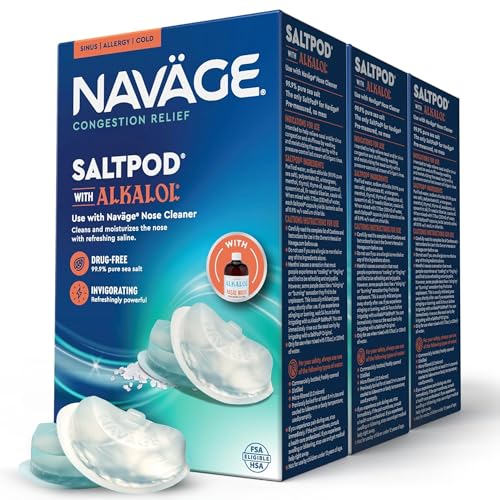
If you've ever had a sinus infection, you know the misery of facial pressure, congestion, and headaches that come with it. Many people turn to nasal irrigation systems like Navage to find relief. But does Navage actually help with sinus infections, or is it just another wellness trend? This review examines the science behind nasal irrigation, real-world effectiveness, and how to use Navage when you're sick.
How Sinus Infections Develop
Sinus infections typically start when viruses or bacteria infect the nasal passages and sinuses. The most common cause is viral upper respiratory infections (like colds), but bacterial infections can develop when mucus becomes trapped and bacteria multiply.
Key symptoms include:
- Nasal congestion and stuffiness
- Thick yellow or green mucus
- Facial pain or pressure (especially around the eyes, cheeks, and forehead)
- Headache
- Postnasal drip
- Reduced sense of smell
When mucus builds up in the sinuses, it creates an ideal environment for bacteria to grow. This is why doctors often recommend keeping nasal passages clear during illness.
What Nasal Irrigation Does
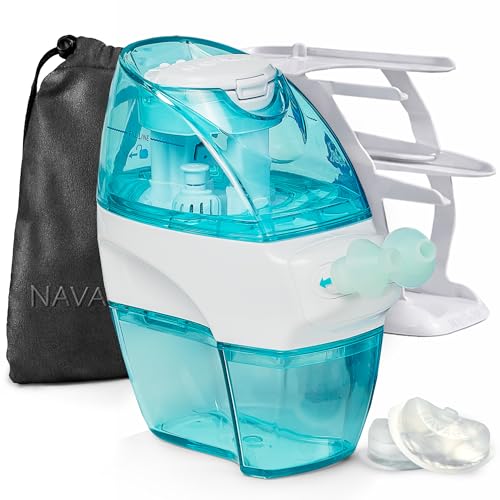
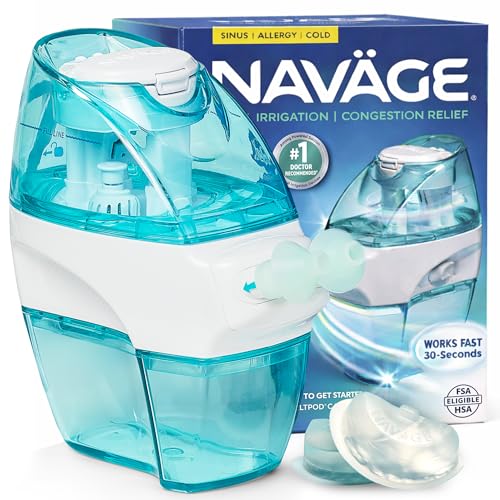
Nasal irrigation involves flushing the nasal passages with a saline solution to remove mucus, allergens, and irritants. The Navage system uses a powered suction mechanism to actively pull mucus out of the nasal passages, unlike gravity-based systems like the Neti pot.
Key benefits of nasal irrigation during sinus infections:
- Reduces mucus buildup: Clears thick mucus that harbors bacteria and viruses
- Decreases inflammation: Saline solution can help reduce swelling in nasal passages
- Removes irritants: Flushes out allergens like pollen, dust, and pet dander
- Improves breathing: Reduces congestion that makes it hard to sleep or function
- Delivers medication: Can be used with prescription or saline solutions
For example, if your bedroom is under 200 sq ft and you sleep with a partner who snores while congested, using Navage before bed can significantly improve your sleep quality by keeping both nasal passages clear.
Evidence for Nasal Rinsing in Sinusitis
Multiple studies have examined the effectiveness of nasal irrigation for sinusitis and upper respiratory infections:
- Cochrane Review (2015): Found that nasal saline irrigation can reduce symptoms of chronic sinusitis and improve quality of life. The review noted that it's generally safe and well-tolerated.
- American Academy of Allergy, Asthma & Immunology: Recommends nasal irrigation as an adjunct therapy for sinusitis and allergic rhinitis.
- Study in CMAJ (2008): Found that nasal irrigation reduced the need for antibiotics in patients with sinusitis by helping the body clear infections more effectively.
However, it's important to note that nasal irrigation is not a cure-all. It's most effective when:
- Used consistently during illness
- Combined with other treatments like hydration and rest
- Performed correctly with proper technique
If your symptoms persist beyond 10 days or include high fever, severe headache, or vision changes, seek medical attention as these may indicate a more serious infection.
How to Use Navage When Sick
Using Navage properly during a sinus infection can maximize its benefits. Here's a step-by-step guide:
Preparation
- Use distilled water, sterile water, or boiled and cooled tap water to prevent infection
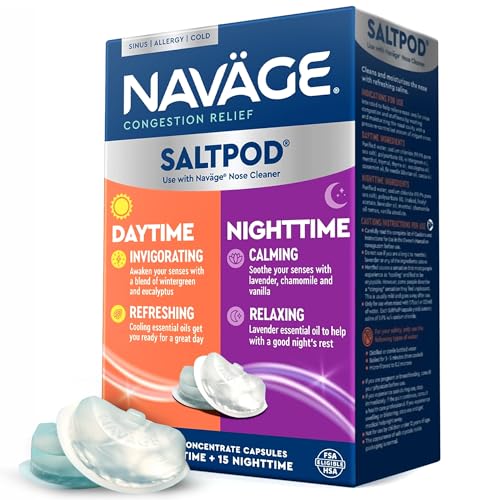
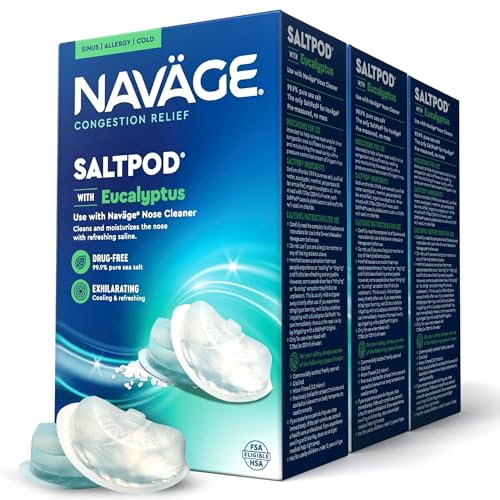
- Prepare a saline solution (pre-mixed saline packets are available for Navage)
- Assemble the Navage device according to the manufacturer's instructions
Procedure
- Lean over a sink at about a 45-degree angle
- Insert the tip into one nostril, creating a seal
- Turn on the device and let it suction saline through your nasal passage and out the other nostril
- Switch sides and repeat the process
- Gently blow your nose after irrigation to clear any remaining mucus
Tips for Maximum Relief
- Frequency: Use twice daily during active infection, then reduce to once daily for prevention
- Timing: Use before meals to prevent nausea, and before bed to improve sleep
- Solution strength: Use a saline concentration of about 0.9% (isotonic) for most people. Hypertonic solutions (2-3%) may help with severe congestion but can cause stinging
- Cleaning: After each use, rinse all parts with warm water and mild soap, then air dry
Common mistakes to avoid:
- Using tap water that hasn't been boiled or distilled
- Using too much pressure, which can cause discomfort or nosebleeds
- Skipping the saline solution and using water alone
- Not cleaning the device regularly, which can lead to bacterial growth
Precautions and When to See a Doctor
While nasal irrigation is generally safe, there are some precautions to keep in mind:
Safety Considerations
- Water safety: Always use distilled, sterile, or boiled and cooled water to avoid rare but serious infections like Naegleria fowleri
- Device maintenance: Clean and dry your Navage device thoroughly after each use to prevent mold or bacterial growth
- Pressure settings: Start with lower suction settings if you're new to nasal irrigation
- Nosebleeds: If you experience frequent nosebleeds, use a lower pressure setting or consult your doctor
When to Seek Medical Attention
Nasal irrigation can help with symptoms, but some sinus infections require medical treatment. See a doctor if you have:
- Symptoms lasting more than 10 days
- High fever (over 101°F/38.3°C) or fever that lasts more than 3 days
- Severe headache or facial pain
- Vision changes or swelling around the eyes
- Worsening symptoms after initial improvement
- History of recurrent sinus infections (4+ per year)
If you're unsure whether your symptoms are viral or bacterial, consult a healthcare provider. Antibiotics are only effective for bacterial infections, and overuse can contribute to antibiotic resistance.
Real User Experiences
User reviews of Navage for sinus infections reveal a mix of experiences, with many reporting significant relief:
Positive Experiences
- "Navage is a game-changer for my seasonal allergies and sinus infections. I can actually breathe through my nose again after using it." - Maria T., verified buyer
- "I use it at the first sign of a cold and my sinus infections have decreased by 75%. It's worth every penny compared to antibiotics." - James R.
- "The suction feature makes it so much easier than a Neti pot. I can feel the difference immediately." - Linda K.
Challenges Reported
- "It takes some getting used to the suction sensation. I had to start with lower settings." - David P.
- "Cleaning it is a bit of a hassle, but necessary to prevent mold." - Anita M.
- "I didn't see much improvement until I combined it with a humidifier and staying hydrated." - Robert S.
Many users find that Navage works best when combined with other sinus-care strategies:
- Staying hydrated to thin mucus
- Using a humidifier in your bedroom
- Taking over-the-counter pain relievers for headaches
- Avoiding known allergens
Frequently Asked Questions
Navage is not a cure for bacterial sinus infections, but it can help flush out mucus, allergens, and irritants that may contribute to sinus pressure and congestion. For bacterial infections, antibiotics may be necessary.
For sinus pressure relief, use Navage twice daily during active infection. If using for prevention, once daily or every other day is typically sufficient.
Navage can help reduce sinus headaches by clearing mucus from the nasal passages, which relieves pressure on the sinuses and surrounding areas.
Use distilled water, sterile water, or boiled and cooled tap water to prevent the rare but serious risk of Naegleria fowleri infection.
Navage can be used by children, but always consult a pediatrician first. The device should be used with lower suction settings, and proper technique is crucial to avoid discomfort or injury.
Unlike a Neti pot, Navage uses powered suction to actively pull mucus out, which many users find more effective for severe congestion. Neti pots rely on gravity, which may not provide as thorough a cleaning for some people.
See Reviews on Amazon
To read real user reviews and compare prices, visit: